One Destination, Four Seasons - Your Seasonal Guide to Arctic Sweden
Arctic Sweden is often associated with winter, snow, and Northern Lights — but the region offers far more than a single seasonal experience. Across the year, the Arctic transforms dramatically, with changing light conditions, landscapes, temperatures, and activities shaping four very different ways to experience the destination. Understanding these seasonal differences is key to choosing the right time to visit, setting expectations, and creating memorable travel experiences. In this guide, we take a closer look at winter, spring, summer, and autumn in Arctic Sweden, exploring what defines each season — from weather and light to atmosphere and accessibility — and what travelers can expect when visiting at different times of the year.
Winter in Arctic Sweden: Snow, Silence & Iconic Arctic Experiences
(Approx. November–March)
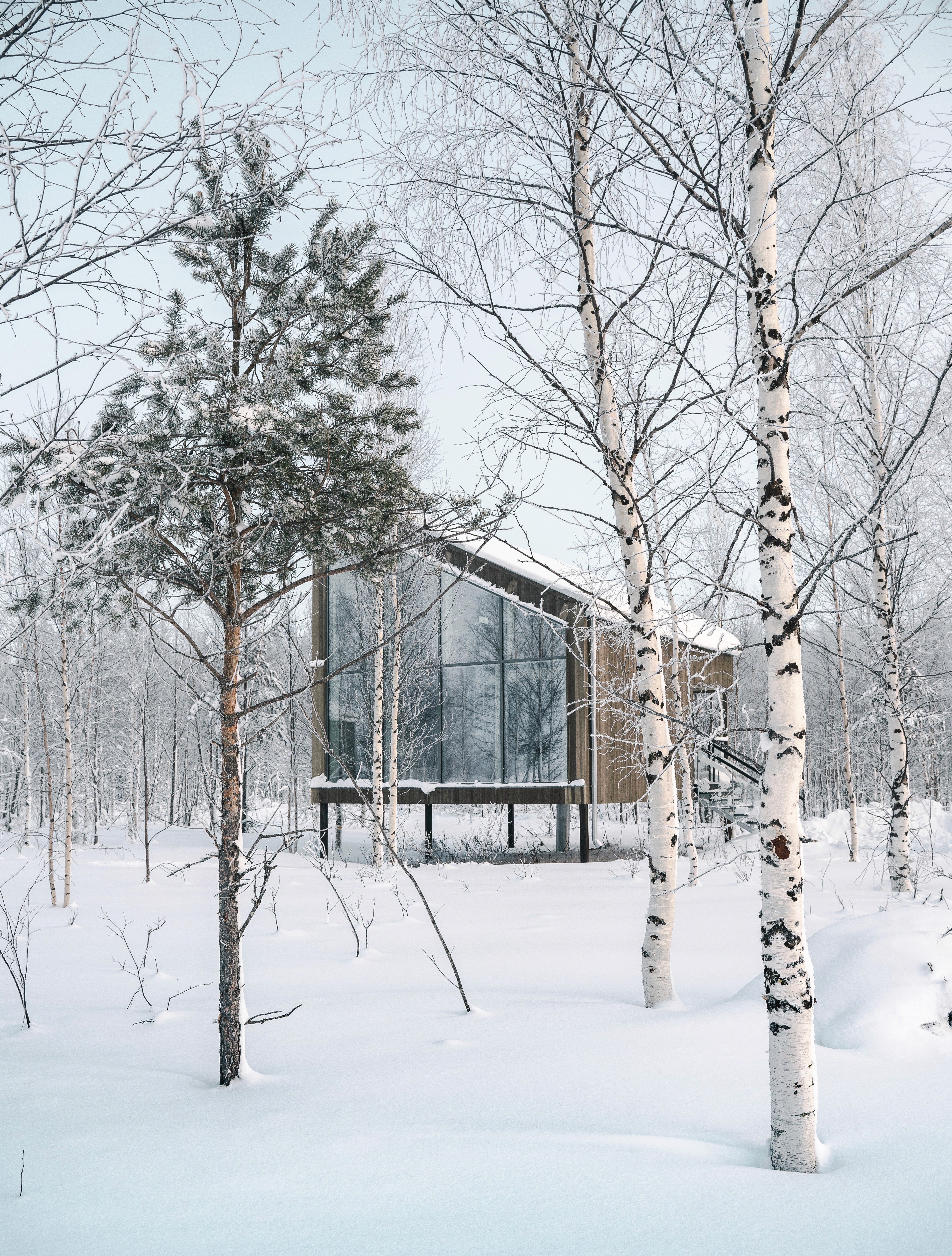
Winter is when Arctic Sweden shows its most iconic side. Temperatures are cold, but the climate is typically dry and crisp, making the cold feel more manageable than many expect. Snow arrives early and stays, creating stable winter conditions throughout the season.
The landscape becomes a quiet, snow‑covered world as forests, rivers, and wetlands freeze, opening areas inaccessible at other times of year. Light defines the experience: during polar night, from December to early January, the sun stays below the horizon, yet soft twilight and long blue hours create a calm, atmospheric glow. Daylight returns quickly toward spring.
Practical expectations & travel planning
Despite the extreme reputation, winter travel in Arctic Sweden is well adapted and reliable. Roads, accommodation, and transport are designed for winter conditions, and guided activities follow strict safety standards.
Key things to know
Clothing matters more than temperature: proper layering keeps visitors warm and comfortable
Outdoor experiences continue regardless of cold, with regular warm‑up breaks
Transfers and logistics are planned with winter conditions in mind
Winter in Arctic Sweden is especially well suited to
First‑time Arctic and Northern Lights travelers
Bucket‑list seekers looking for iconic winter landscapes
Adventure‑focused travelers comfortable with cold climates
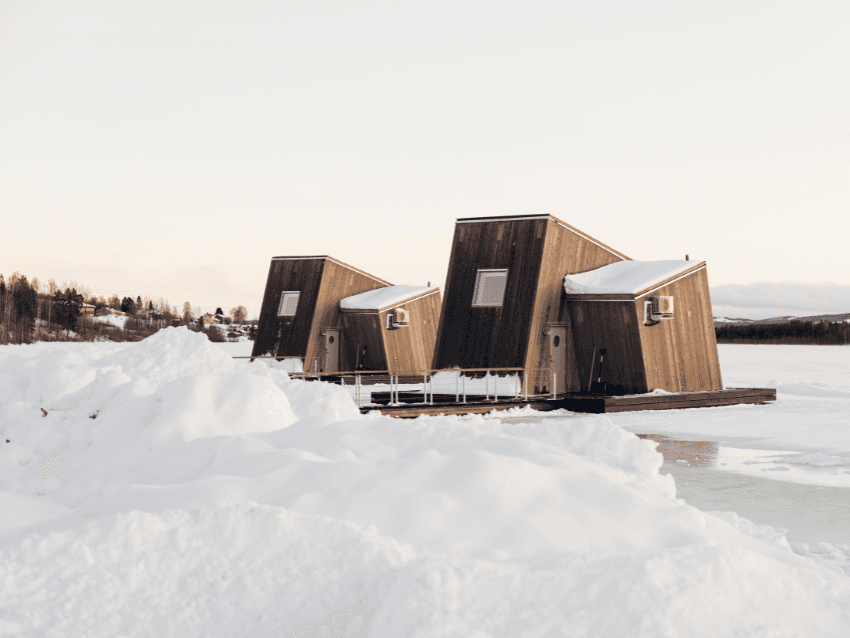
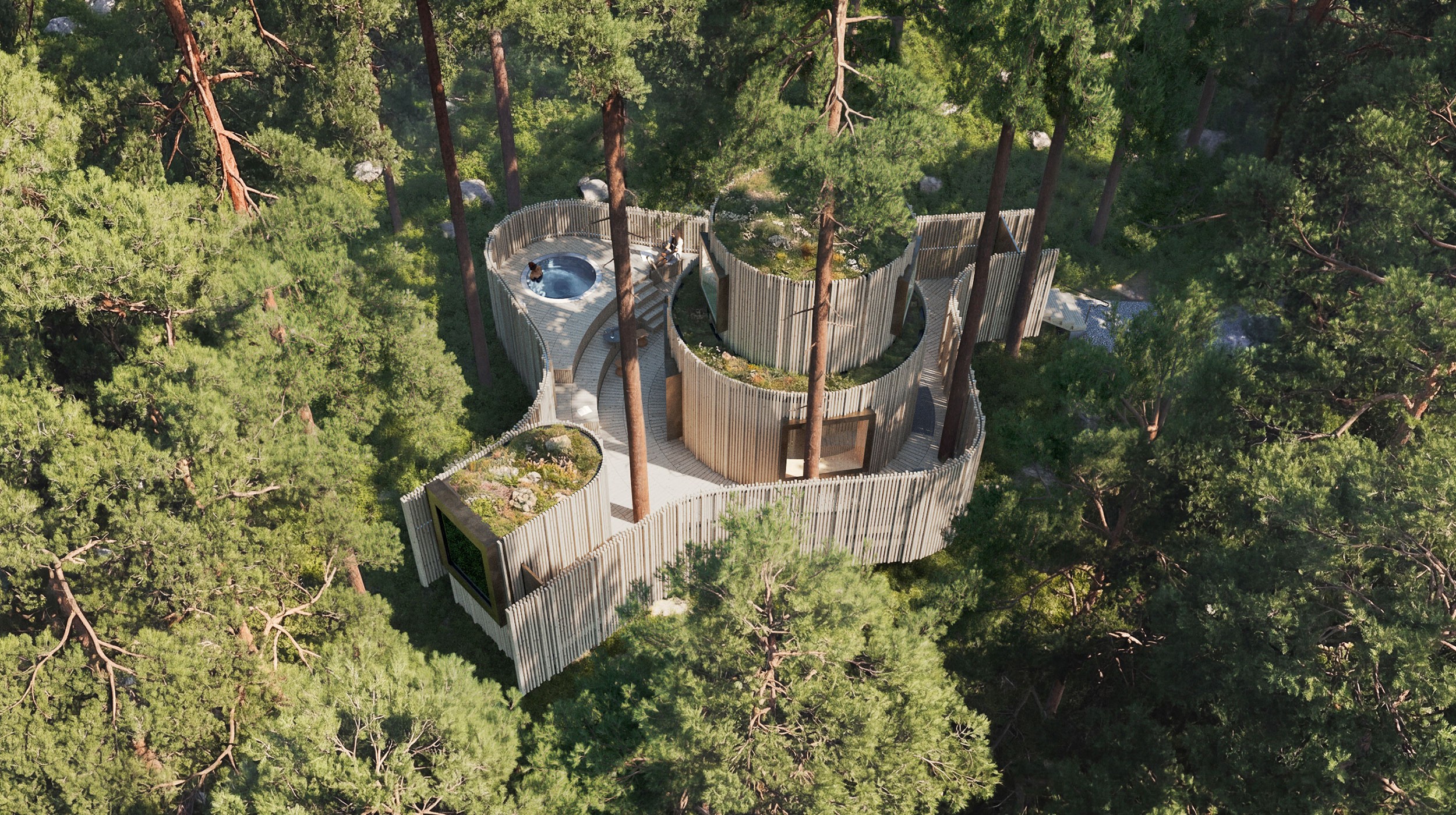
Image: Arctic Bath
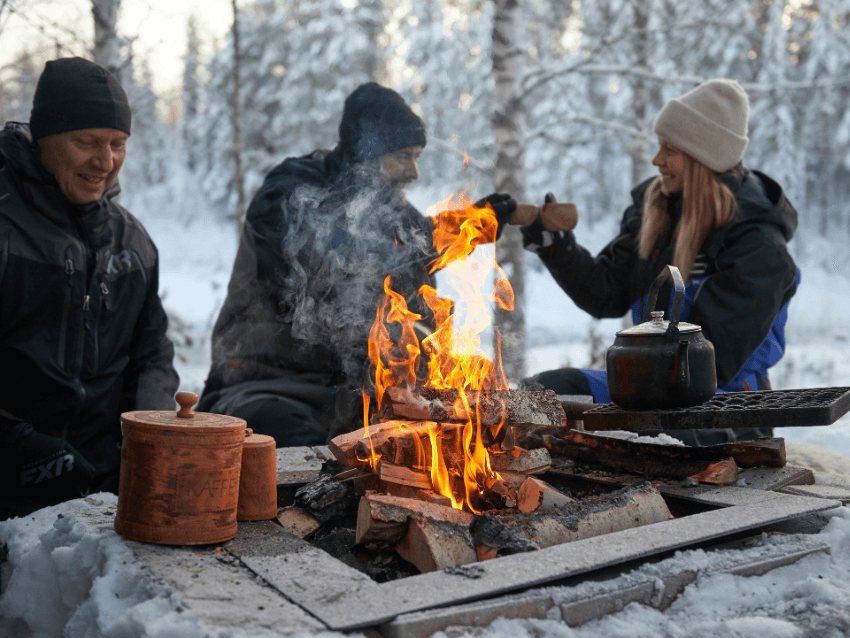
Image: Graeme Richardson, Arctic Retreat
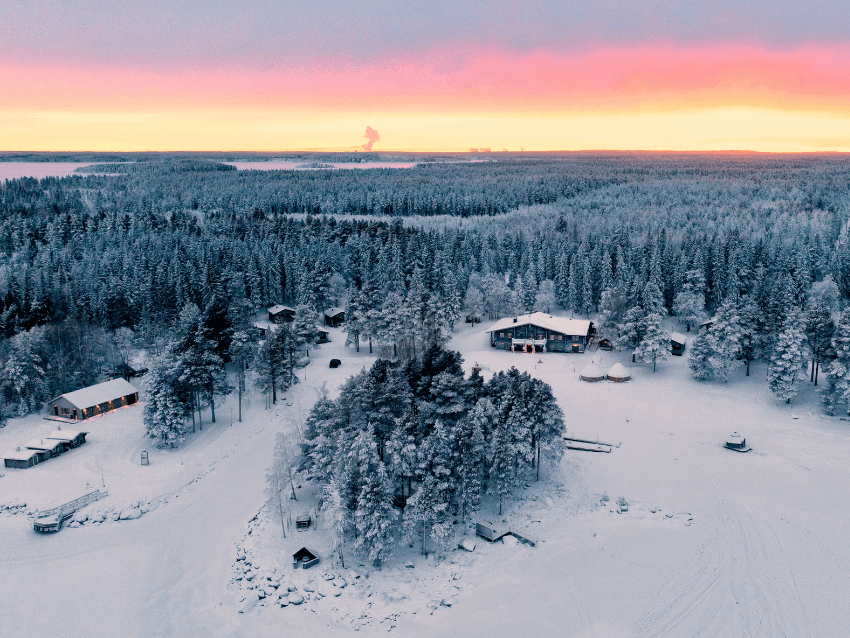
Image: Brändön Lodge
Spring in Arctic Sweden: A Season of Change and Returning Light
(Approx. April–May)
Spring in Arctic Sweden is a true transition season, where winter slowly gives way to longer days and milder temperatures. Snow still covers much of the landscape, especially in April, but the sun returns quickly, and daylight hours increase dramatically. Temperatures remain cool, yet feel lighter as the days grow brighter.
The landscape begins to awaken. Frozen rivers start to open, snow softens on hillsides, and wildlife becomes more active. Spring offers a calm, spacious atmosphere with fewer visitors, making it an ideal time to experience the Arctic’s natural rhythm and changing light conditions.
Practical expectations & travel planning
Spring conditions can vary from day to day, and flexibility is key. Some winter activities continue late into the season, while others depend on snow and ice conditions.
Key things to know
Conditions can shift quickly between winter and early spring
Layered clothing is essential for changing temperatures
Activity availability varies based on weather and snow levels
Spring in Arctic Sweden is especially well suited to:
Travelers seeking fewer crowds and a quieter atmosphere
Photography enthusiasts drawn to changing light and landscapes
Guests open to a flexible, nature‑led experience
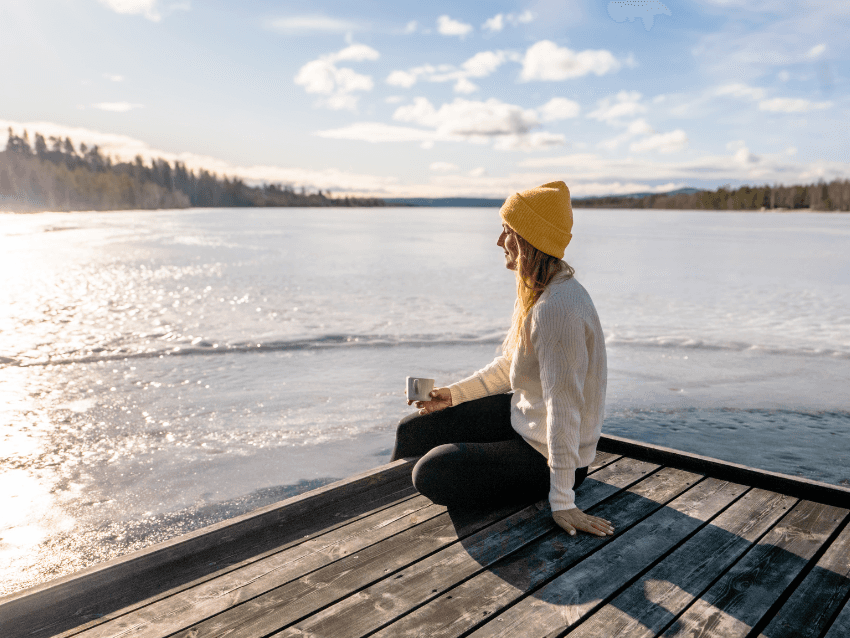
Image: Arctic Bath
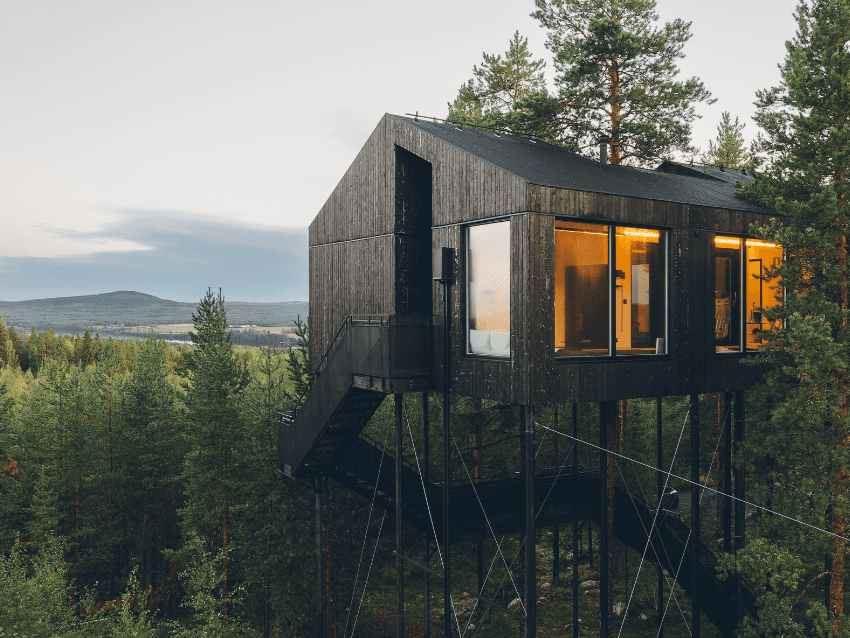
Image: Tree Hotel
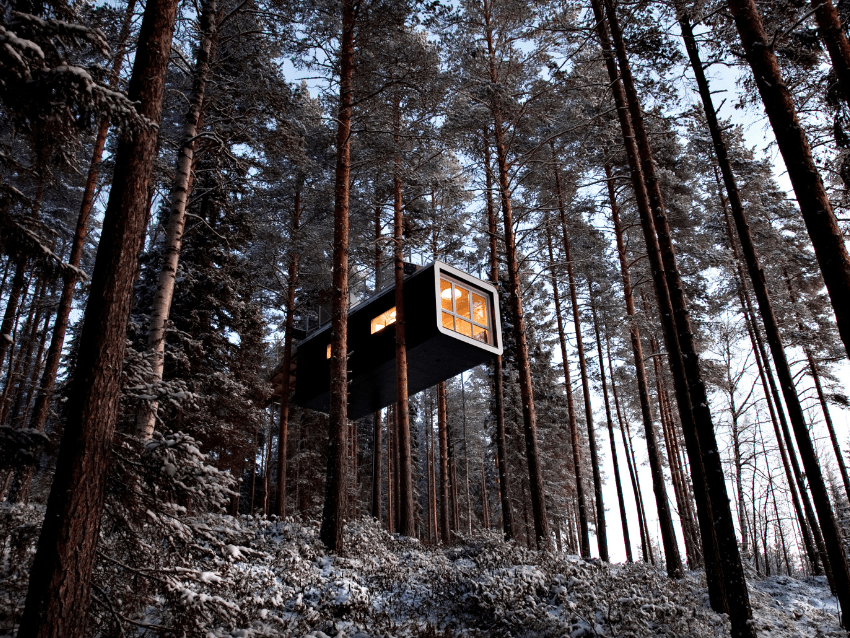
Image: Tree Hotel
Summer in Arctic Sweden: Midnight Sun & Open Landscapes
(Approx. June–August)
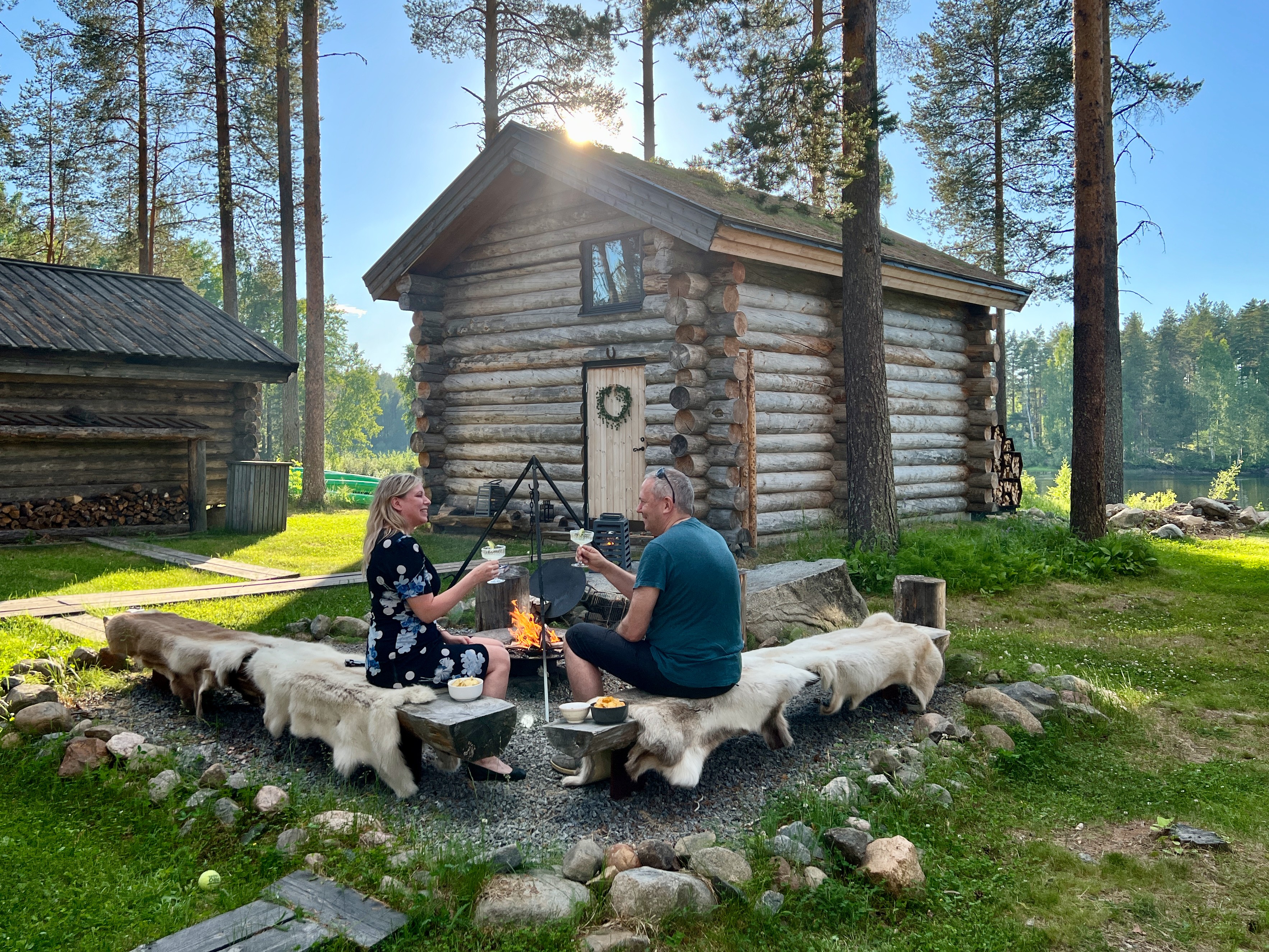
Summer in Arctic Sweden is defined by light. From early June to mid‑July, the sun does not set, creating the famous midnight sun and endless daylight. Temperatures are generally mild, and snow has disappeared, revealing green valleys, forests, rivers, and lakes. The long days give the season an energetic yet relaxed feel, with nature fully accessible.
The landscape is at its most open and vibrant. Rivers flow freely, hiking trails are fully accessible, and wildlife is more visible. The constant daylight offers unique conditions for outdoor activities and photography, allowing visitors to shape their days without time restrictions.
Practical expectations & travel planning
Summer is the easiest season for independent travel and outdoor exploration.
Key things to know
Long daylight hours can affect sleep — eye masks are recommended
Light layers are ideal as temperatures can vary
Insect protection may be needed in certain areas
Summer in Arctic Sweden is especially well suited to
Outdoor‑focused travelers and nature lovers
Families and first‑time visitors seeking easier conditions
Active guests interested in hiking, canoeing, and fishing
Travelers drawn to the unique experience of the midnight sun
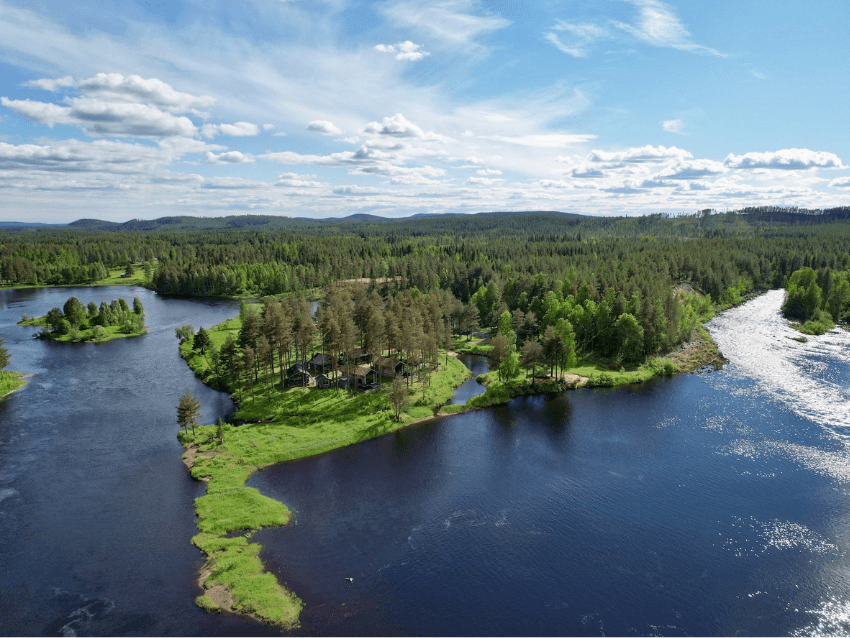
Image: Graeme Richardson, Arctic Retreat
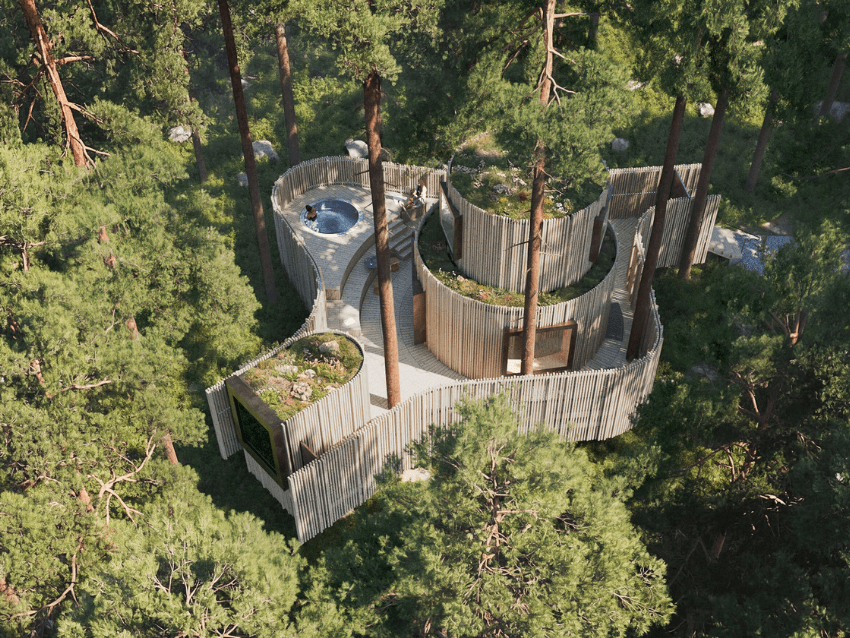
Image: Tree Hotel
Autumn in Arctic Sweden: Colors, Calm & the Return of Darkness
(Approx. September–October)
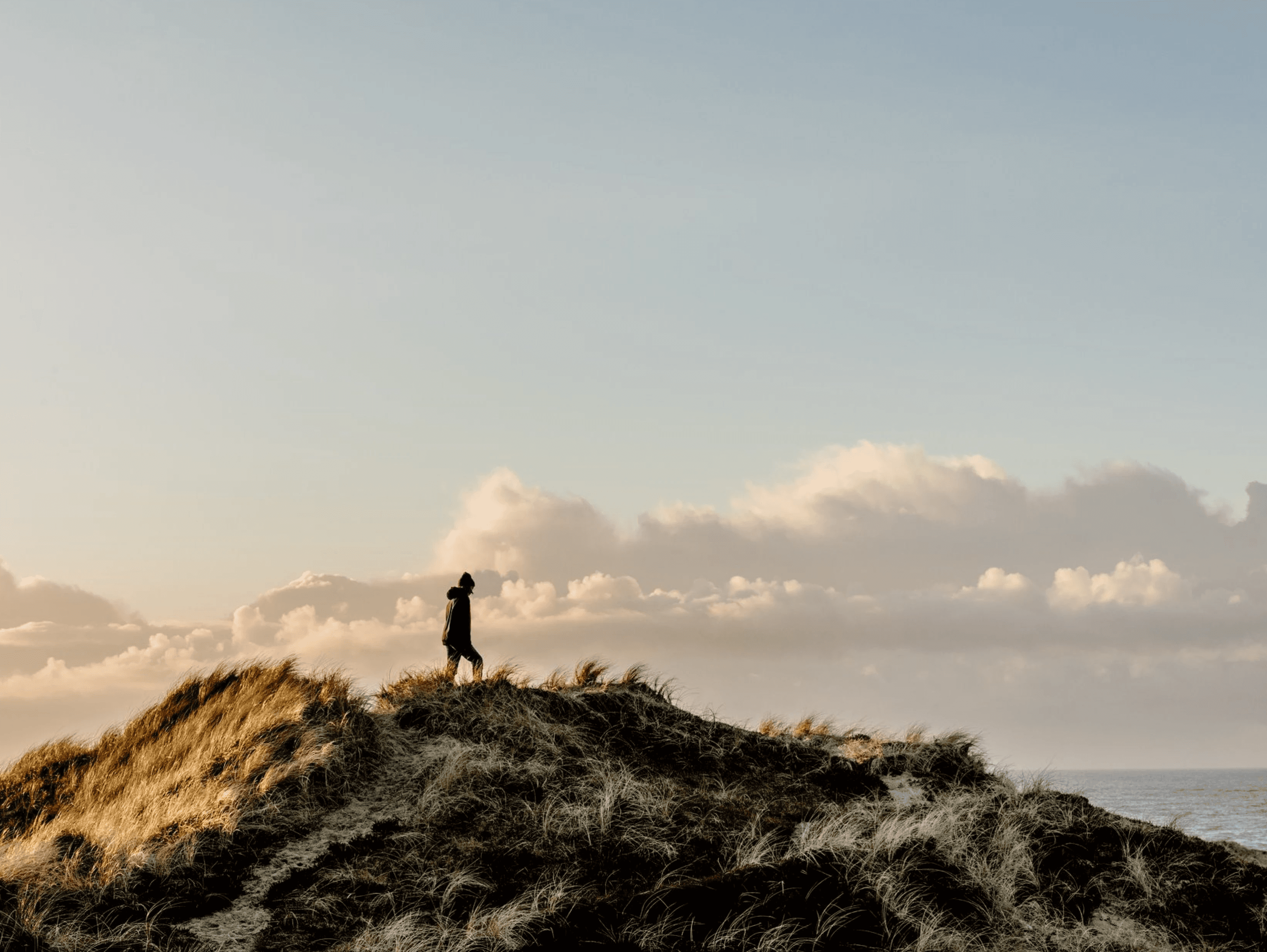
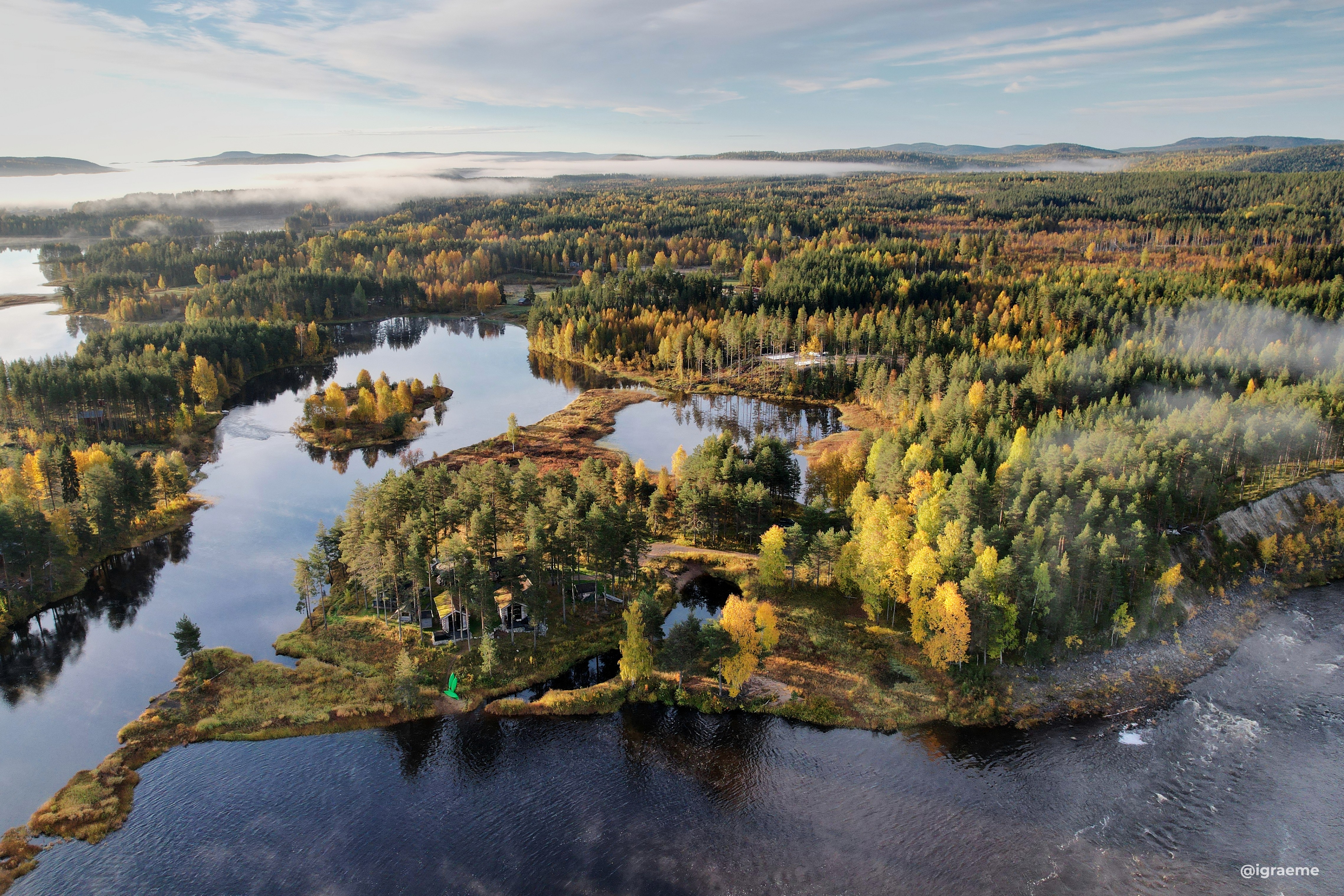
Autumn in Arctic Sweden is brief but striking. Temperatures begin to drop, nights return quickly, and the first signs of winter appear toward the end of the season. Snow may fall at higher elevations, while lower valleys remain snow‑free. The darker skies mark the return of the Northern Lights season.
The landscape is defined by dramatic autumn colors, crisp air, and a strong sense of calm. Forests turn shades of red, orange, and gold, creating excellent conditions for photography and hiking. With fewer visitors, autumn offers a quiet, intimate experience of the Arctic and its changing light.
Practical expectations & travel planning
Autumn is a transition season, and conditions can vary.
Key things to know
Shortening days and cooler temperatures
Layered clothing is essential
Some summer services wind down, while winter preparations begin
Northern Lights viewing becomes possible as darkness returns
Autumn in Arctic Sweden is especially well suited to
Northern Lights seekers outside peak winter
Travelers who prefer fewer crowds and quieter destinations
Photographers drawn to fall colors and soft light
Flexible guests comfortable with changing conditions
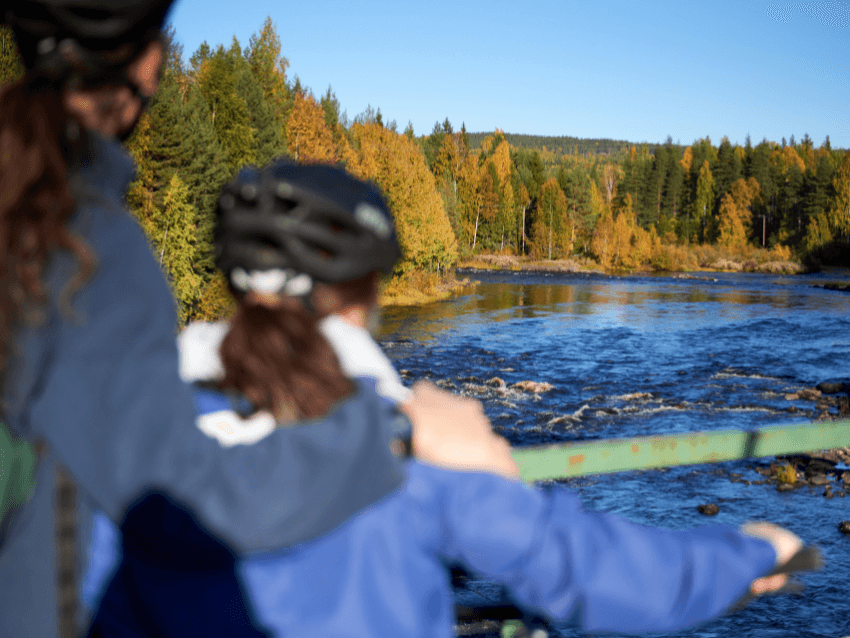
Image: Graeme Richardson, Arctic Retreat
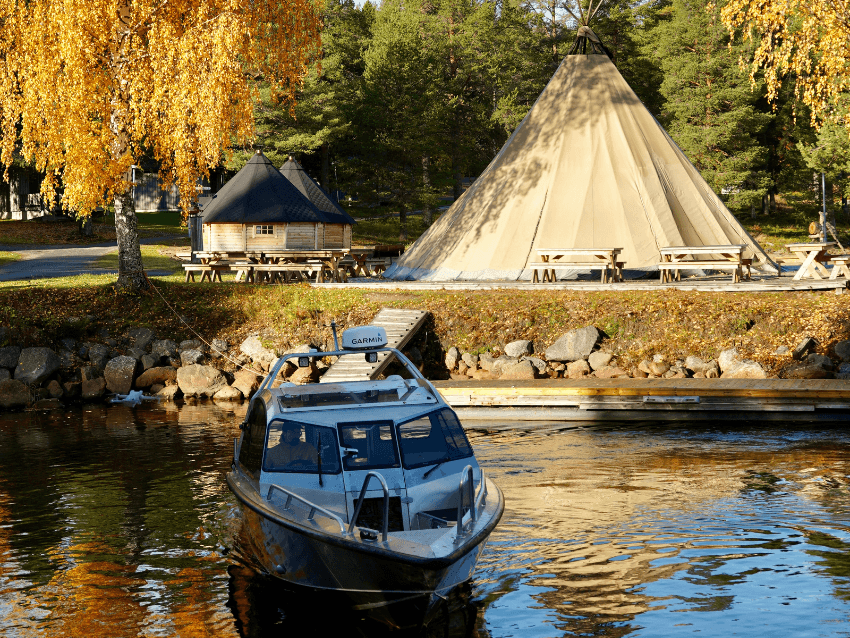
Image: Brändön Lodge
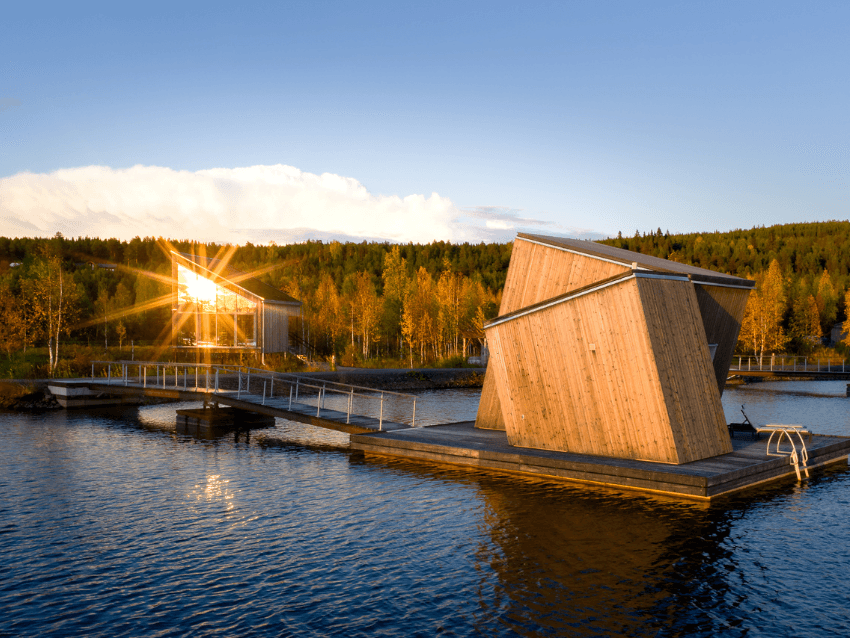
Image: Damien Noss, Arctic Bath
Andra nyheter
Fördjupa dig i våra mest spännande och upplyftande reseäventyr.